Perspective on eIDAS 2.0
Coexya breaks down eIDAS 2.0: strengthening European digital identity, the EUDI wallet, qualified signatures, and the impact on your digital projects.

In April 2024, the European Commission adopted an update to the eIDAS regulation, which governs electronic identification and trust services in the European Union. This new version, known as eIDAS 2.0, introduces an innovative framework for digital identity, with the European Digital Identity Wallet as its cornerstone. This initiative promises to transform how citizens and businesses access online services across the continent.
A digital identity wallet for the entire European Union
The European digital wallet will allow every EU citizen and resident to have a secure, unified means of proving their identity, status, or rights online across all 27 Member States. This solution will streamline access to both public and private services such as opening bank accounts, electronically signing documents, or accessing healthcare platforms. For instance, a French citizen will now be able to access services in Germany or Spain using the same digital wallet, without the need to create new accounts or resubmit personal information.
Strengthening digital sovereignty and data protection
This initiative has several goals. First, it aims to reinforce Europe’s digital sovereignty by giving citizens and businesses greater control over their personal data. Users will be able to choose which information to share and with whom, ensuring greater privacy protection. Moreover, the framework will improve interoperability between the digital identity systems of different countries, significantly simplifying cross-border administrative procedures.
Enhanced security and trust in online services
eIDAS 2.0 also helps to strengthen the security of digital transactions. Thanks to robust authentication mechanisms and advanced encryption, the risks of fraud and identity theft will be significantly reduced. This will increase user confidence in online services and accelerate the digital transformation of the European economy.

All businesses will need to prepare
At Coexya, we support companies in preparing for the rollout of the European Digital Identity framework. By 2027, all businesses will very likely need to revise at least their user authentication processes to support new standards such as OpenID. In addition, many customer onboarding processes are expected to benefit from new features that will drastically speed up the sharing of key KYC information: proof of address, identity verification, nationality, age, and more.
New trust services
This new legislative framework is also a driver of innovation in trust services. It revisits and clarifies several elements related to electronic signatures—one of Coexya’s areas of expertise—particularly regarding the definition of an “advanced” signature. eIDAS 2 also encourages the harmonization of electronic archiving practices across Europe, an area in which France has been a pioneer since 2009 with its NF Z42-013 standard, now ISO 14641. Our consulting teams master this standard, providing assistance both in selecting appropriate solutions and supporting organizations seeking certification.
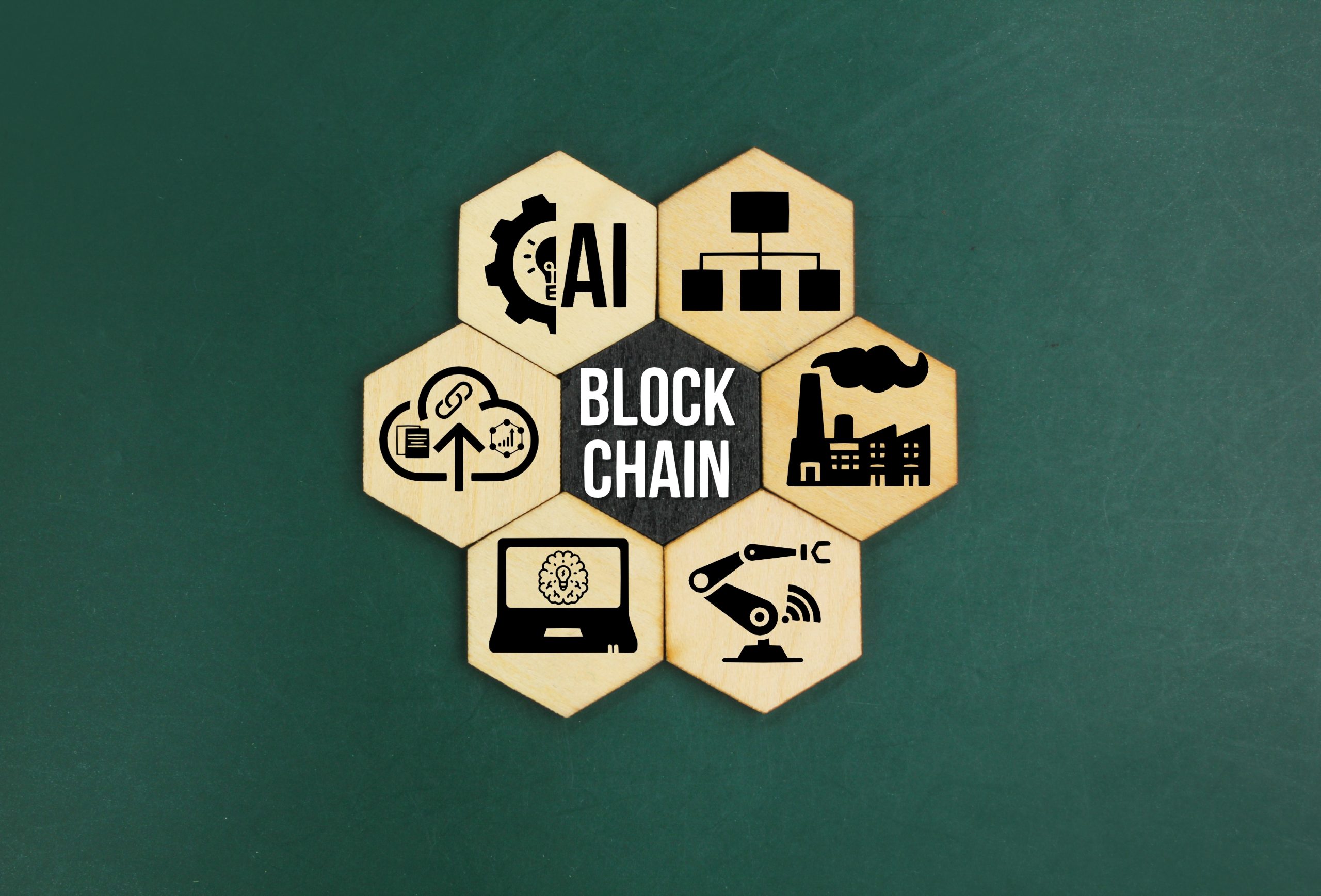
Section 45 of the eIDAS text also mentions, for the first time, the notion of an electronic ledger, in both a simple and qualified version, facilitating the development of traceability projects of all kinds. Blockchain technologies—which Coexya has been integrating into its projects since 2018—are also expected to benefit from this regulation. We invite you to read the personal insight of Alain Broustail, the director of our blockchain division, on this topic.
Conclusion
In conclusion, eIDAS 2.0 marks a decisive step toward a more connected Europe. Thanks to this initiative, citizens, companies, and public administrations will benefit from a more seamless, secure, and future-ready digital environment. The road to full operational implementation will not always be simple, but with the support of Coexya’s expert teams, no challenge will be insurmountable.
More articles


About the Expert
A graduate of ESCP in 2002, Alain Broustail began his career with publishers of banking software solutions. He joined Coexya in 2011, holding several leadership roles within consulting teams focused on content digitization, document management, AI, and task automation. An expert in applying emerging technologies within the banking and finance sector, he discovered blockchain and digital assets in 2018 and has since led our advisory and delivery activities in this field.